What to Do When Your Key Breaks in the Lock
Updated: 18 hours ago
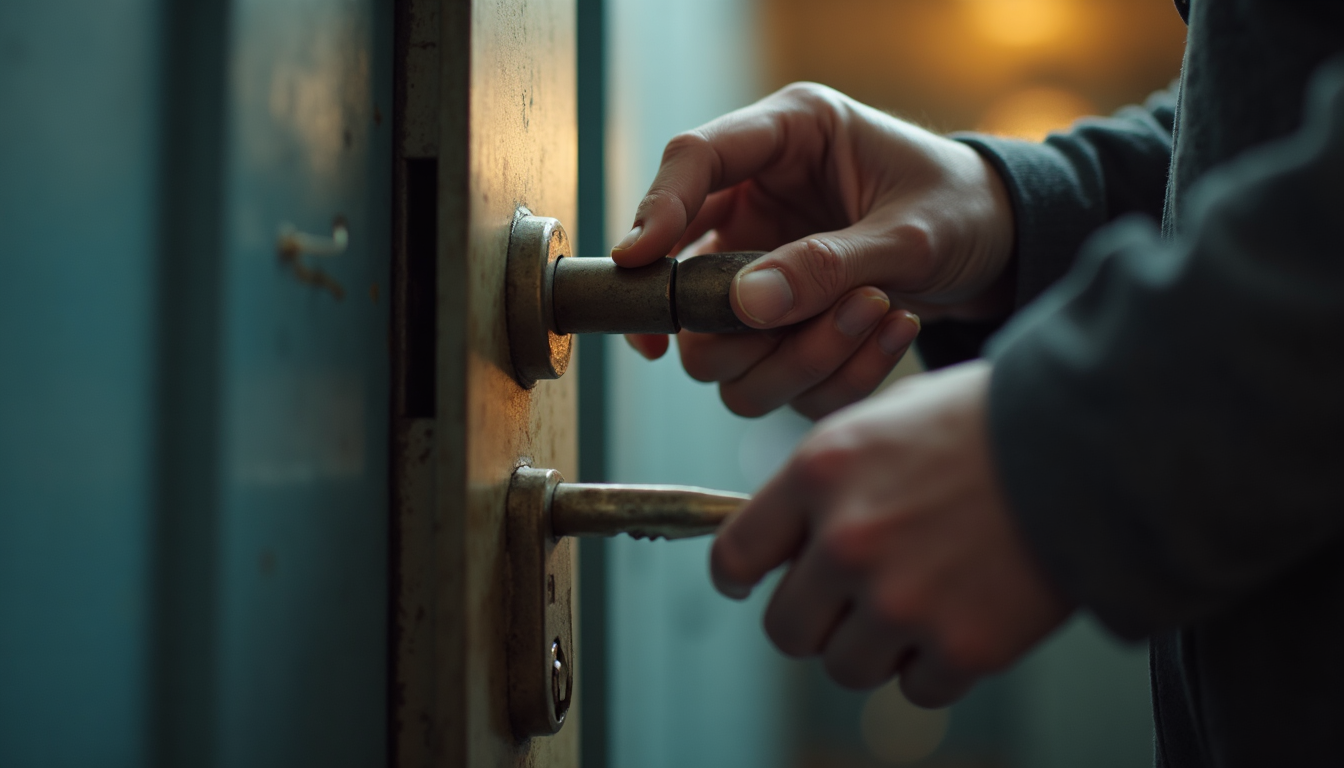
A broken key can happen when a key is worn, bent, or forced in a stiff lock. Staying calm and avoiding extra pressure can help prevent more damage.

Avoid these quick fixes
Do not push the broken piece deeper into the lock mechanism, as this can exacerbate the existing damage and complicate the situation further. Instead of attempting to force the piece in, consider the implications of gluing another key to it. While this might seem like a quick fix, it can lead to additional problems, such as misalignment or further breakage that could render the lock completely unusable. Moreover, using makeshift tools to turn the lock can be particularly detrimental; these tools are often not designed for the specific mechanics of the lock and can cause significant wear and tear on the cylinder. This improper handling can lead to a situation where removal becomes not only more difficult but also potentially requires professional intervention, which can be costly and time-consuming. It is always advisable to approach such issues with caution and to seek out proper solutions rather than resorting to temporary fixes that may ultimately worsen the problem.
A safer next step
It is advisable to maintain the door in its current position to prevent any further complications or damage that may arise from attempting to move it. This stability is crucial as it allows the locksmith to assess the situation accurately without the added variable of shifting the door. Once you have ensured that the door remains stationary, the next step is to contact a professional locksmith who possesses the necessary expertise and specialized tools required for the task at hand. A skilled locksmith will be able to efficiently remove the broken piece of the lock mechanism, employing techniques and tools that are specifically designed for this purpose, which minimizes the risk of damaging the door or the surrounding hardware.
After the broken component has been successfully extracted, it is essential to conduct a thorough inspection of both the lock and the key. This examination should focus on identifying any signs of wear and tear that may have developed over time. Such wear could manifest as scratches, dents, or other forms of damage that could affect the lock's functionality. Additionally, it is important to check for any rust or corrosion that might have accumulated, as these factors can severely impact the performance of the locking mechanism. If any issues are found during this inspection, the locksmith will be able to recommend appropriate repairs or replacements to ensure that the lock operates smoothly and securely moving forward.
Locksmith Blitz provides broken-key removal, replacement keys, and lock repairs for homes, vehicles, and businesses.


Comments